



Understanding TPMS
How it works and why it matters
TPMS and safety benefits
A Tyre Pressure Monitoring System (TPMS) is a safety feature that helps drivers maintain optimal tyre pressure, reducing the risk of blowouts, improving fuel efficiency, and extending tyre life.
With the ability to enhance handling and overall driving performance, TPMS is especially beneficial for long-distance drivers, offering enhanced safety and performance over extended journeys.
TPMS is commonly fitted as Original Equipment on premium vehicles such as BMW and Mercedes-Benz, underscoring its role in enhancing both safety and performance.
When TPMS is combined with Run Flat Technology Tyres, it provides the ultimate in extended mobility. In the event of a puncture, a Run Flat Tyre continues to support the vehicle’s weight, often without any visible signs of pressure loss. This makes the role of TPMS even more critical, as it alerts the driver that the tyre is being supported by the reinforced sidewall rather than air pressure.
Professional installation and regular maintenance of TPMS components will ensure the system functions effectively. TPMS offers reliable performance and peace of mind every time you drive.
What is TPMS?
TPMS stands for Tyre Pressure Monitoring System. It is an electronic system that monitors the air pressure in a vehicle’s tyres and alerts the driver when tyre pressure drops below the optimal level.The main function of TPMS is to ensure tyres remain inflated at the correct pressure, reducing the risk of tyre failure, improving fuel efficiency, and extending tyre life. This system enhances vehicle safety by preventing blowouts and handling issues caused by low tyre pressure.
In Australia, where long drives are common, maintaining a properly functioning TPMS is essential for safety and performance. If your vehicle is equipped with TPMS, regular servicing ensures the system continues to monitor tyre pressure accurately. From battery replacements to sensor recalibrations, our expert mechanics provide the necessary diagnostic, maintenance and repairs capability to keep your TPMS operating effectively. Visit your local Bridgestone store to learn more about TPMS and how we can help keep your system in top condition.

TPMS types & warning lights
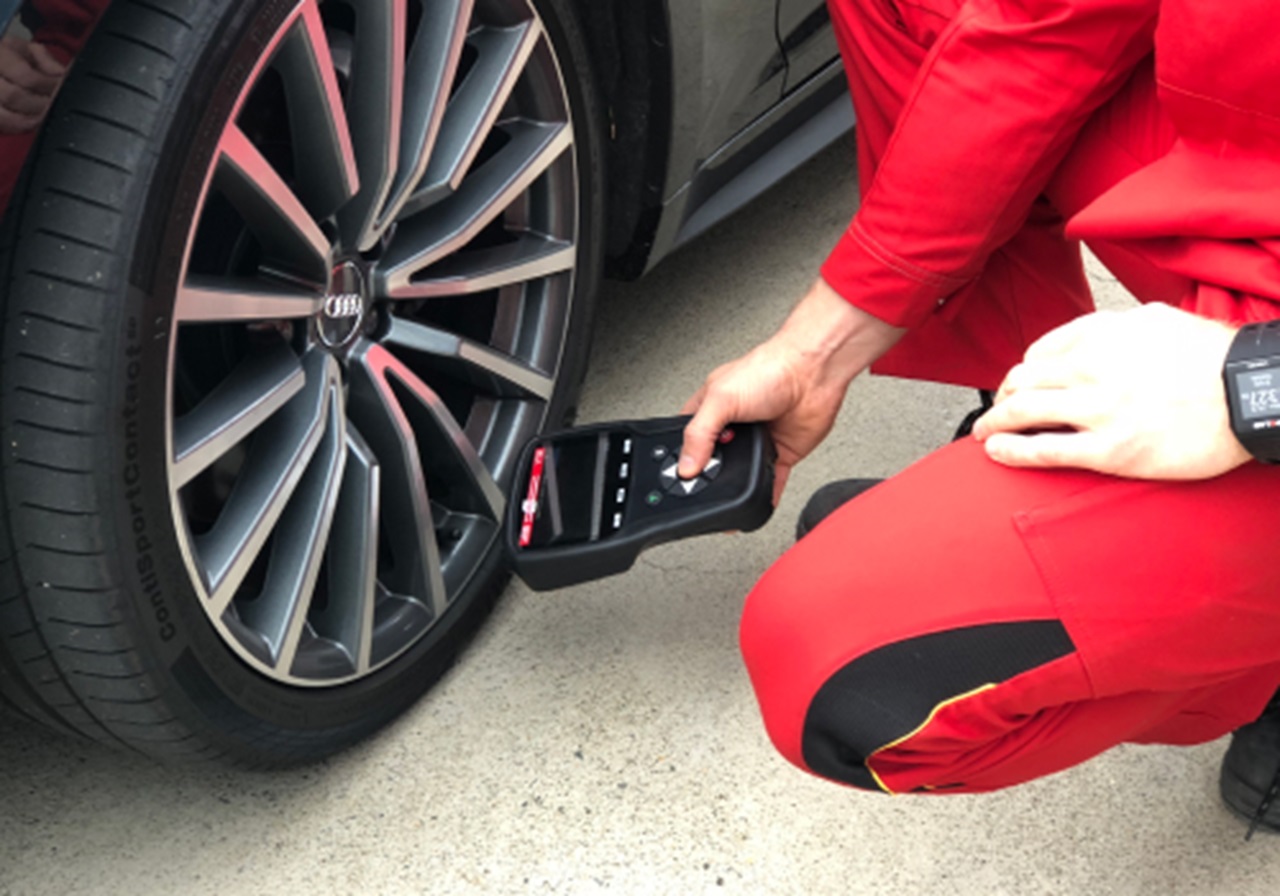
What are the different types of TPMS?
Direct TPMS: Sensors inside each tyre measure air pressure and send real-time data to the vehicle’s onboard computer.
Indirect TPMS: Utilises the vehicle’s ABS or wheel speed sensors to estimate tyre pressure by comparing wheel rotation speeds.
Note: Only Direct TPMS is serviceable.

What should I do when a TPMS warning light is illuminated?
If your TPMS light illuminates and remains solid, the pressure inside one or more of your tyres are not inflated to manufacturer standards and should be looked at by your closest tyre specialist.
If after correcting tyre pressures, the TPMS light remains illuminated - there maybe another issue with the system. Contact your local Bridgestone store for advice.
Common TPMS services
Battery Replacement: TPMS sensors contain internal batteries that typically need replacement every 5-7 years. As sensor batteries are integral to the sensor and cannot be replaced separately, the entire sensor must be changed.
Sensor and Valve Stem Replacement: Sensors and valve stems may become damaged or worn, requiring replacement. We recommend that TPMS valve stems, both rubber and metal, are replaced at the time of tyre replacement.
TPMS Recalibration: After tyre changes, repairs, or wheel rotations, TPMS systems often need recalibration.
Diagnostics: Identifying and resolving issues when the TPMS warning light remains illuminated.
Frequently asked questions
-
 What is a Tyre Pressure Monitoring System (TPMS)?
TA Tyre Pressure Monitoring System (TPMS) is an electronic safety feature fitted to many modern vehicles that monitors the air pressure in your tyres in real time.
When tyre pressure drops below the recommended level, TPMS alerts the driver via a dashboard warning light or digital display, helping you act before low pressure affects safety or tyre wear.
-
What is the purpose of TPMS and why is it important?
The main purpose of TPMS is to alert you when your tyres are under‑inflated or over‑inflated, which can improve safety, fuel efficiency and tyre performance.
Keeping your tyres at the correct pressure helps reduce the risk of blowouts, improves handling and braking, and can extend tyre life. Regular tyre pressure monitoring also contributes to better fuel economy and reduced emissions.
-
What does a tyre pressure sensor do?
A tyre pressure sensor plays a crucial role in maintaining safe, efficient driving by continuously monitoring the air pressure inside each tyre. When paired with a modern Tyre Pressure Monitoring System (TPMS), these sensors deliver real‑time alerts to help prevent under‑inflation, reduce the risk of blowouts, and optimise fuel efficiency. At Bridgestone, we offer expert TPMS inspections, tyre pressure sensor replacements, and diagnostic services to keep your vehicle performing at its best. If your dashboard warning light has appeared or you suspect a faulty sensor, our qualified technicians can accurately assess the issue and provide fast, reliable solutions. (Note that not all TPMS systems use a tyre pressure sensor on each wheel. Some use the vehicles stability control system to detect a difference in wheel rotational speed, which implies low inflation pressure on a tyre.)
-
How does TPMS work and what types are there?
TPMS works by using sensors to monitor tyre pressure and send that information to your vehicle’s onboard computer.
This allows the system to alert you if tyre pressure falls outside safe limits, helping you identify under-inflated or over-inflated tyres early.
There are two main types:
- Indirect TPMS: Uses wheel‑speed data from the ABS system to estimate pressure differences based on rotational speed.
- Direct TPMS: Sensors inside each tyre measure actual air pressure and send data in real time to the dashboard system.
A properly functioning TPMS improves vehicle safety, handling, and braking performance, reduces tyre wear, and enhances fuel efficiency. Regular inspections and calibration ensure the system remains accurate and reliable, giving you peace of mind every time you drive.
The following stores offer tpms
-
List View
Sorry, we can’t seem to find any store in that area.
Try broadening your location radius above or give us a call on 131 229 if you need urgent assistance.