Tyre Speed and Load Rating Explained
Understanding tyre speed and load rating helps you choose tyres that suit your vehicle, driving style, and Australian road conditions. These codes specify the maximum speed and weight a tyre can safely handle. Selecting the correct ratings supports braking, stability, heat management, and tyre life, while keeping you compliant with legal and insurance requirements. If you’re unsure, a tyre load rating chart can help you translate the code into real carrying capacity.
What are tyre speed and load ratings?
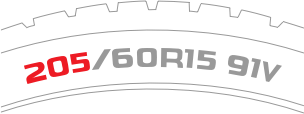
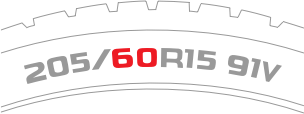
A tyre’s speed rating is a letter that indicates the maximum sustained speed the tyre can manage under controlled test conditions. The load rating (load index) is a number that shows the maximum weight each tyre can carry at the correct pressure. You’ll find both on the tyre sidewall, following the tyre size—typically a number and letter combination (for example, 91V)—and on your vehicle’s tyre placard. Many drivers refer to a tyre load rating chart to understand how the index number converts to kilograms per tyre.
These ratings are central to safety and performance. Using tyres with appropriate ratings helps maintain steering response, braking performance, stability control and ABS effectiveness, and overall handling. Vehicle manufacturers set minimum ratings for each model based on suspension tuning, braking capacity, and expected use. In Australia, these specifications also account for our urban, regional, and high‑speed rural highways, temperature extremes, and varied road surfaces. Always follow the guidance in your owner’s manual and on the tyre placard when selecting a tyre speed and load rating.
How to read tyre speed rating chart
Consider the code: 205/55R16 91V. The size (205/55R16) describes width, aspect ratio, construction, and rim diameter. The final two characters are the load index and speed rating: 91 is the load index, V is the speed rating.
Tyre speed symbol table
Speed symbol is a code which indicates the speed at which a tyre can be safely operated, subject to the tyre being in sound condition, correctly fitted and with the recommended inflation pressure. See table below for passenger tyre speed symbol ratings.
Common speed ratings and their maximum speeds:
- T = 190 km/h
- H = 210 km/h
- V = 240 km/h
- W = 270 km/h
- Y = 300 km/h
Many passenger vehicles use H or V, SUVs may use H, V, or W depending on performance, and some light commercial tyres carry lower speed ratings aligned to their higher load capabilities.
| Speed Symbol | Rating (Km/h) |
| E | 70 |
| F | 80 |
| G | 90 |
| J | 100 |
| K | 110 |
| L | 120 |
| M | 130 |
| N | 140 |
| P | 150 |
| Q | 160 |
| R | 170 |
| S | 180 |
| T | 190 |
| U | 200 |
| H | 210 |
| V | 240 |
| W | 270 |
| Y | 300 |
| Z | 240+ |
Tyre load index table
How to read tyre load rating chart
Load indicates the maximum load capacity at which a tyre can be safely operated, subject to the tyre being in sound condition, correctly fitted and with the recommended inflation pressure. See table below for load index and the maximum load per tyre.
Typical load index examples (per tyre at the correct pressure):
- 88 ≈ 560 kg
- 91 ≈ 615 kg
- 94 ≈ 670 kg
- 100 ≈ 800 kg
- 104 ≈ 900 kg
Under‑specifying the load index is a safety risk. If the tyre’s load index is too low for the vehicle, the tyre can overheat, deform, and wear prematurely. Over‑loading any tyre or running too low a pressure increases heat build‑up and the chance of failure. Ensure the combined load capacity of the tyres on each axle meets or exceeds the vehicle’s gross axle load limits. When comparing options, consult a tyre load rating chart to verify that the tyre load rating you select is appropriate for your vehicle and usage.
|
Load Index |
Max Load (kg) |
Load Index |
Max Load (kg) |
Load Index |
Max Load (kg) |
Load Index |
Max Load (kg) |
Load Index |
Max Load (kg) |
Load Index |
Max Load (kg) |
|---|---|---|---|---|---|---|---|---|---|---|---|
| 60 | 250 | 85 | 515 | 110 | 1060 | 135 | 2180 | 160 | 4500 | 185 | 9250 |
| 61 | 257 | 86 | 530 | 111 | 1090 | 136 | 2240 | 161 | 4625 | 186 | 9500 |
| 62 | 265 | 87 | 545 | 112 | 1120 | 137 | 2300 | 162 | 4750 | 187 | 9750 |
| 63 | 272 | 88 | 560 | 113 | 1150 | 138 | 2360 | 163 | 4875 | 188 | 10000 |
| 64 | 280 | 89 | 580 | 114 | 1180 | 139 | 2430 | 164 | 5000 | 189 | 10300 |
| 65 | 290 | 90 | 600 | 115 | 1215 | 140 | 2500 | 165 | 5150 | 190 | 10600 |
| 66 | 300 | 91 | 615 | 116 | 1250 | 141 | 2575 | 166 | 5300 | 191 | 10900 |
| 67 | 307 | 92 | 630 | 117 | 1285 | 142 | 2650 | 167 | 5450 | 192 | 11200 |
| 68 | 315 | 93 | 650 | 118 | 1320 | 143 | 2725 | 168 | 5600 | 193 | 11500 |
| 69 | 325 | 94 | 670 | 119 | 1360 | 144 | 2800 | 169 | 5800 | 194 | 11800 |
| 70 | 335 | 95 | 690 | 120 | 1400 | 145 | 2900 | 170 | 6000 | 195 | 12150 |
| 71 | 345 | 96 | 710 | 121 | 1450 | 146 | 3000 | 171 | 6150 | 196 | 12500 |
| 72 | 355 | 97 | 730 | 122 | 1500 | 147 | 3075 | 172 | 6300 | 197 | 12850 |
| 73 | 365 | 98 | 750 | 123 | 1550 | 148 | 3150 | 173 | 6500 | 198 | 13200 |
| 74 | 375 | 99 | 775 | 124 | 1600 | 149 | 3250 | 174 | 6700 | 199 | 13600 |
| 75 | 387 | 100 | 800 | 125 | 1650 | 150 | 3350 | 175 | 6900 | 200 | 14000 |
| 76 | 400 | 101 | 825 | 126 | 1700 | 151 | 3450 | 176 | 7100 | 201 | 14500 |
| 77 | 412 | 102 | 850 | 127 | 1750 | 152 | 3550 | 177 | 7300 | 202 | 15000 |
| 79 | 437 | 104 | 900 | 129 | 1850 | 154 | 3750 | 179 | 7750 | 204 | 16000 |
| 80 | 450 | 105 | 925 | 130 | 1900 | 155 | 3875 | 180 | 8000 | 205 | 16500 |
| 81 | 462 | 106 | 950 | 131 | 1950 | 156 | 4000 | 181 | 8250 | 206 | 17000 |
| 82 | 475 | 107 | 975 | 132 | 2000 | 157 | 4125 | 182 | 8500 | 207 | 17500 |
| 83 | 487 | 108 | 1000 | 133 | 2060 | 158 | 4250 | 183 | 8750 | 208 | 18000 |
| 84 | 500 | 109 | 1030 | 134 | 2120 | 159 | 4375 | 184 | 9000 | 209 | 18500 |
Choosing the right speed and load rating for your vehicle
Start with your owner’s manual and the tyre placard, usually found on the driver’s door jamb, fuel flap, or glovebox. These list approved sizes and the minimum speed and load ratings for your vehicle. Select tyres that meet or exceed these specifications. Matching the tyre speed and load rating to your vehicle helps preserve safety and compliance.
Match your tyres to how you drive:
- Daily commuting and highway use: Choose a speed rating suitable for posted limits and sustained cruising in Australian conditions. Maintaining the specified rating supports stability and braking at motorway speeds.
- Towing and heavy loads: Prioritise a higher tyre load rating and consider light truck (LT) constructions where recommended. Confirm that the tyre load capacity aligns with your towball download and axle loads.
- Off‑road or mixed use: Select tyres with robust constructions and appropriate load capacities for gravel, corrugations, and unsealed surfaces, while still complying with the placard.
- Performance driving: Higher speed ratings can help preserve handling precision and heat resistance, particularly for vehicles with sport suspension and larger brakes.
Fitting tyres with ratings below the manufacturer’s specification can compromise safety, accelerate wear, and may affect roadworthiness or insurance. Matching or modestly exceeding original equipment ratings helps preserve handling, braking, and durability without unnecessary impact on ride comfort. If you’re comparing several options, use a tyre load rating chart to make sure the tyre load rating you choose suits your vehicle’s axle limits and intended loads.
Tyre care, compliance, and Bridgestone support
Australian regulations and most insurance policies require replacement tyres to meet or exceed the manufacturer’s specified speed and load ratings. Using tyres with insufficient ratings may lead to a defect notice, registration issues, or insurance complications. If you plan changes such as upsized wheels, consult local regulations and a qualified technician to ensure compliance, and confirm the tyre speed and load rating remains appropriate.
Tyres deliver their rated performance only when maintained correctly:
- Check pressures at least monthly and before long trips or towing, using a quality gauge when tyres are cold.
- Set pressures to the tyre placard values and adjust for load and driving conditions as recommended.
- Rotate tyres at the intervals specified by your vehicle manufacturer to promote even wear.
- Inspect tread and sidewalls for cuts, bulges, punctures, or uneven wear that may indicate alignment or inflation issues.
Good maintenance limits heat build‑up, supports stable handling, and helps tyres carry their rated loads at intended speeds.
Bridgestone is here to help you select and care for tyres with the right speed and load ratings. Visit your local Bridgestone store for expert advice and fitment, use our online tyre finder to match tyres to your vehicle’s placard specifications, and book inspections or rotations to keep your tyres performing at their best. Our team can recommend solutions for highway driving, towing, off‑road use, and commercial applications, ensuring your tyres meet Australian standards and your everyday needs.
Frequently asked questions
-
 What are tyre speed and load ratings?
Tyre speed and load ratings define the maximum speed and weight a tyre can safely handle under manufacturer testing conditions. The load rating (number) indicates weight capacity, while the speed rating (letter) indicates maximum safe speed.
These ratings ensure safe braking, handling, and heat resistance, and Bridgestone Select Tyre & Auto can help match the correct ratings to your vehicle.
-
Where do I find tyre speed and load ratings?
Tyre speed and load ratings are printed on the tyre sidewall immediately after the tyre size, such as 91V, and are also listed on your vehicle’s tyre placard.
This information ensures you select tyres that meet manufacturer safety requirements, with Bridgestone Select Tyre & Auto able to interpret and verify the correct specification for your vehicle.
-
What happens if I use the wrong speed or load rating?
Using tyres with incorrect speed or load ratings can compromise safety, reduce braking performance, increase tyre wear, and affect vehicle stability systems. It may also lead to non-compliance with Australian road and insurance requirements.
Bridgestone Select Tyre & Auto ensures all fitted tyres meet or exceed manufacturer specifications for safe driving conditions.
-
How do I choose the correct speed and load rating?
The correct speed and load ratings are specified by your vehicle manufacturer and are listed on the tyre placard or in your owner’s manual. You should always select tyres that meet or exceed these ratings based on your driving conditions.
Bridgestone Select Tyre & Auto can match your vehicle to the correct tyre speed and load ratings for everyday driving, towing, or highway use.

Let's find tyres to suit you
-
Search by rego
-
Search by size
-
Search by vehicle